
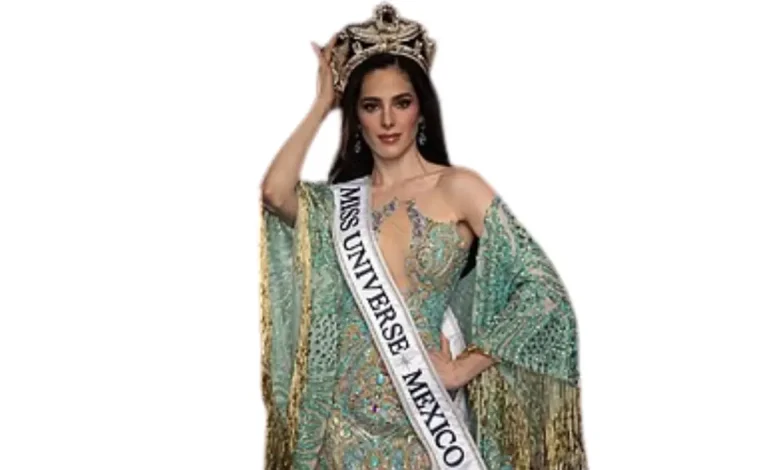
Miss Mexico, Fatima Bosch, has officially been crowned the new Miss Universe following a highly turbulent and headline-making pageant season in Thailand.
The 25-year-old became the centre of attention earlier this month when she walked out of a rehearsal after an organiser publicly reprimanded her for not posting promotional material. The confrontation unfolded in front of dozens of contestants, and the official allegedly threatened to disqualify anyone who supported her.
The fallout escalated shortly after, with two judges stepping down. One claimed the competition had been manipulated behind the scenes.
Founded in the United States, Miss Universe is one of the world’s most established beauty pageants. This year’s controversies have drawn attention to ongoing cultural and operational tensions between its Thai hosts and Mexican ownership. Thailand’s own Praveenar Singh secured second place, while Venezuela, the Philippines, and Côte d’Ivoire rounded out the top five.
This is the fourth time Thailand has hosted the global event, and its representative was widely considered a top contender across fan communities. The crowning marks the 74th Miss Universe winner since the competition began in 1952 and reflects the organisation’s push to evolve from a traditional broadcast show into a digitally-driven media brand aimed at platforms like TikTok.
Drama Behind the Scenes
This year’s event was led in Thailand by Nawat Itsaragrasil, a high-profile media executive known for founding Miss Grand International — a pageant famed for its bold online presence.
While Mr Nawat held the hosting licence, the Miss Universe Organisation continues to operate from Mexico under businessman Raul Rocha.
Historically, the pageant was dominated by contestants from the Americas. However, the past two decades have seen South East Asia emerge as a powerhouse, with Thailand, Indonesia, and the Philippines cultivating enormous fan bases and treating pageantry as both a cultural passion and pathway to fame.
Tensions peaked when Ms Bosch’s confrontation with Mr Nawat went viral. After the incident, the Miss Universe Organisation described his behaviour as “malicious,” while Rocha publicly urged him to stop the conflict. Mr Nawat later issued an apology and argued his remarks had been misunderstood. A team of international executives was then deployed to assume operational control.
Soon after, two judges resigned. Lebanese-French musician Omar Harfouch claimed winners had been pre-selected, while former French football player Claude Makélélé stepped away citing personal matters. The Miss Universe Organisation rejected allegations of rigging, suggesting Harfouch may have confused the main judging system with the separate Beyond the Crown social impact programme.
Adding to the already chaotic lead-up, Miss Jamaica suffered a fall during the evening gown preliminaries and had to be stretchered out of the venue. She is currently recovering in hospital.
Leadership Changes and a New Direction
The controversies come at a time of major transition. Anne Jakrajutatip — the Thai media mogul who acquired Miss Universe in 2022 — recently resigned as CEO and was replaced by Guatemalan diplomat Mario Bucaro.
During her tenure, Jakrajutatip pushed the pageant toward inclusivity, lifting restrictions to allow married women, mothers, and transgender women to compete. She also removed the upper age limit in an attempt to modernise and diversify the contestant pool.
With television audiences declining in recent years, she also expanded the Miss Universe brand across commercial products, including merchandise, bottled water, and accessories.
Also Read This: ‘Four Nights of a Dreamer’: When Love’s a Parisian Detour and You’re the Bloke Left Holding the Paintbrush